
Stormwater Friendly Automotive Care
Car washes, auto repair shops, and commercial vehicle operators - keep in mind that many chemicals and substances used to maintain automotives can cause severe harm to local waterways, which are often our sources of drinking water, if not properly handled. Learn more below about how to keep your vehicles in great shape while also ensuring nearby waterways are clean and healthy.
Vehicle Maintenance
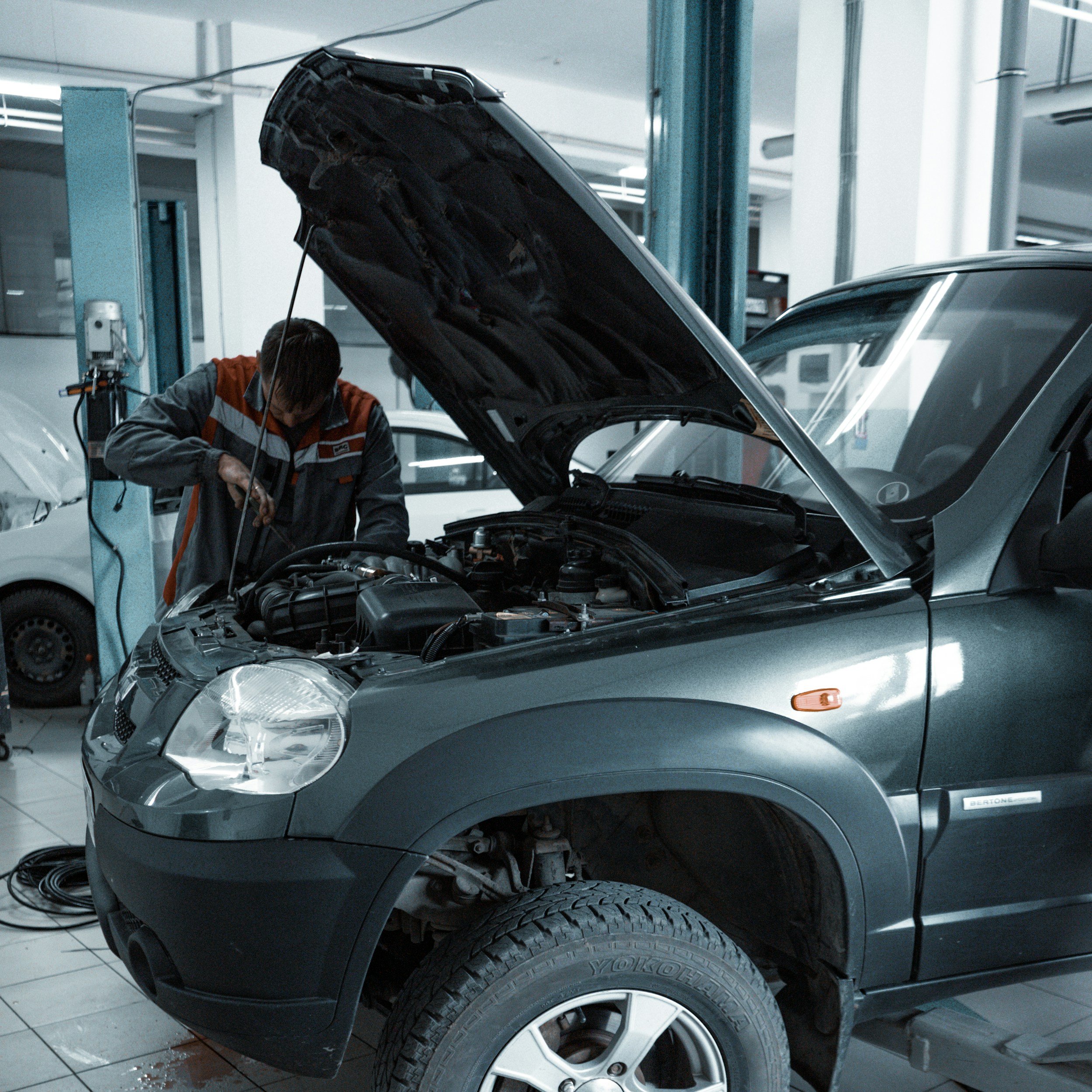
Mechanic repairing a car in an automotive shop.
If you work at an auto shop or are repairing vehicles elsewhere, please do so with caution to prevent stormwater pollution. Chemicals used in automobiles such as motor oil, brake fluids, antifreeze, and car grease can be picked up by rainwater and carried into storm drains, which typically flow directly into our rivers and lakes. Motor oil and antifreeze pose severe human and environmental health hazards.
Read the labels and buy the least toxic option available.
Perform maintenance when it is NOT raining, away from storm drains, and on a water-resistant surface.
In case of a leak, use a drip pan to catch the fluids and be sure to clean up any spills immediately.
When maintenance is complete, properly dispose of all chemicals, liquids, tires, car batteries, and cleaning solvents at your local hazardous waste disposal site. Learn more about hazardous waste disposal here.
Be sure to keep tires properly inflated. This helps limit tire wear to prevent excessive rubber particles from eroding onto the roads.
Remember that wrecked and/or leaking vehicles are high risk sources of illicit discharges (EPA, 2023)
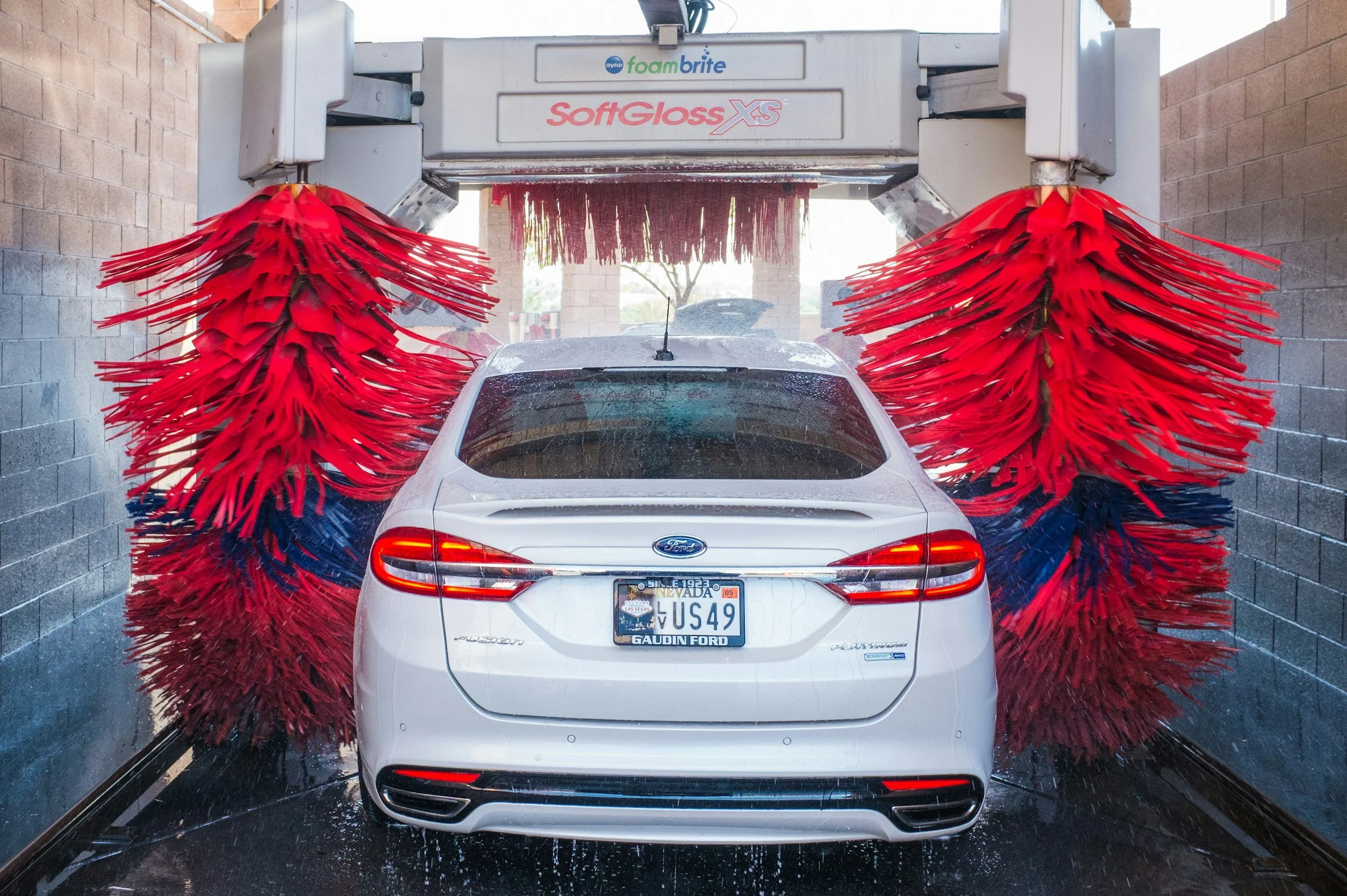
Vehicle going through a commercial washing facility.
Vehicle Washing
When washing a vehicle, a variety of harmful substances like car fluids, road salt, and cleaning detergents flow off of the car. This contaminated wastewater may runoff into nearby storm drains, which flow into local waterways, and can cause serious harm to aquatic environments and human health.
When possible, take your vehicle to a commercial car wash instead of washing it at home. Many professional car washes collect their used water, treat it, and recycle it, greatly reducing the amount of freshwater they consume.
If you decide not to take your car to a commercial facility, wash it over the grass to allow the water to infiltrate into the ground and prevent harmful runoff. If washed on paved surfaces such as driveways and roads, runoff collects pollutants and can flow into waterways.
Use phosphate-free, biodegradable detergents. Limit the amount of soap/detergent used.
Instead of running a hose, use a bucket of soapy water.
Sources:
Car Maintenance - H2OC Stormwater Program
Stormwater Best Management, Practice, Vehicle Maintenance and Washing
Automotive Care - Flows To Bay