Stormwater Friendly Food Service
When it rains or snows, pollutants left on streets, sidewalks, parking lots, and other hard surfaces are carried by stormwater runoff and brought into nearby storm drains. This untreated water is then discharged directly into local streams, rivers, and eventually into Lake Michigan. Many items used in the food service industry such as cooking oils, cleaning supplies, food waste, and plastic can contribute to stormwater pollution if not properly used and disposed of. Learn about stormwater friendly tips for your restaurant, food truck, or other food service below.
IDENTIFYING SANITARY SEWER DRAINS
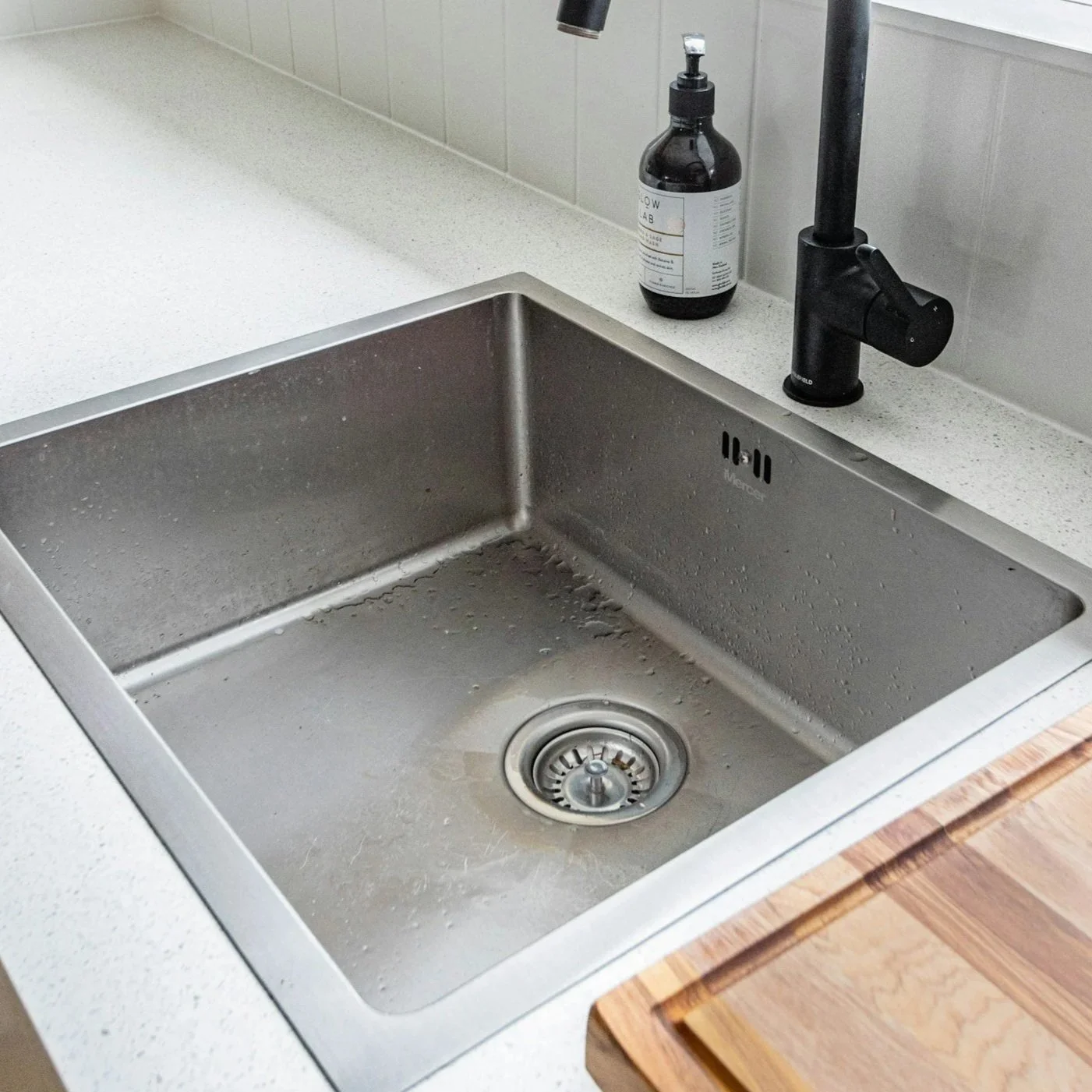
Sanitary Sewer System: Drains inside of a building are typically connected to the sanitary sewer system, meaning anything poured down that drain is treated at a wastewater treatment plant before being discharged back into waterways.
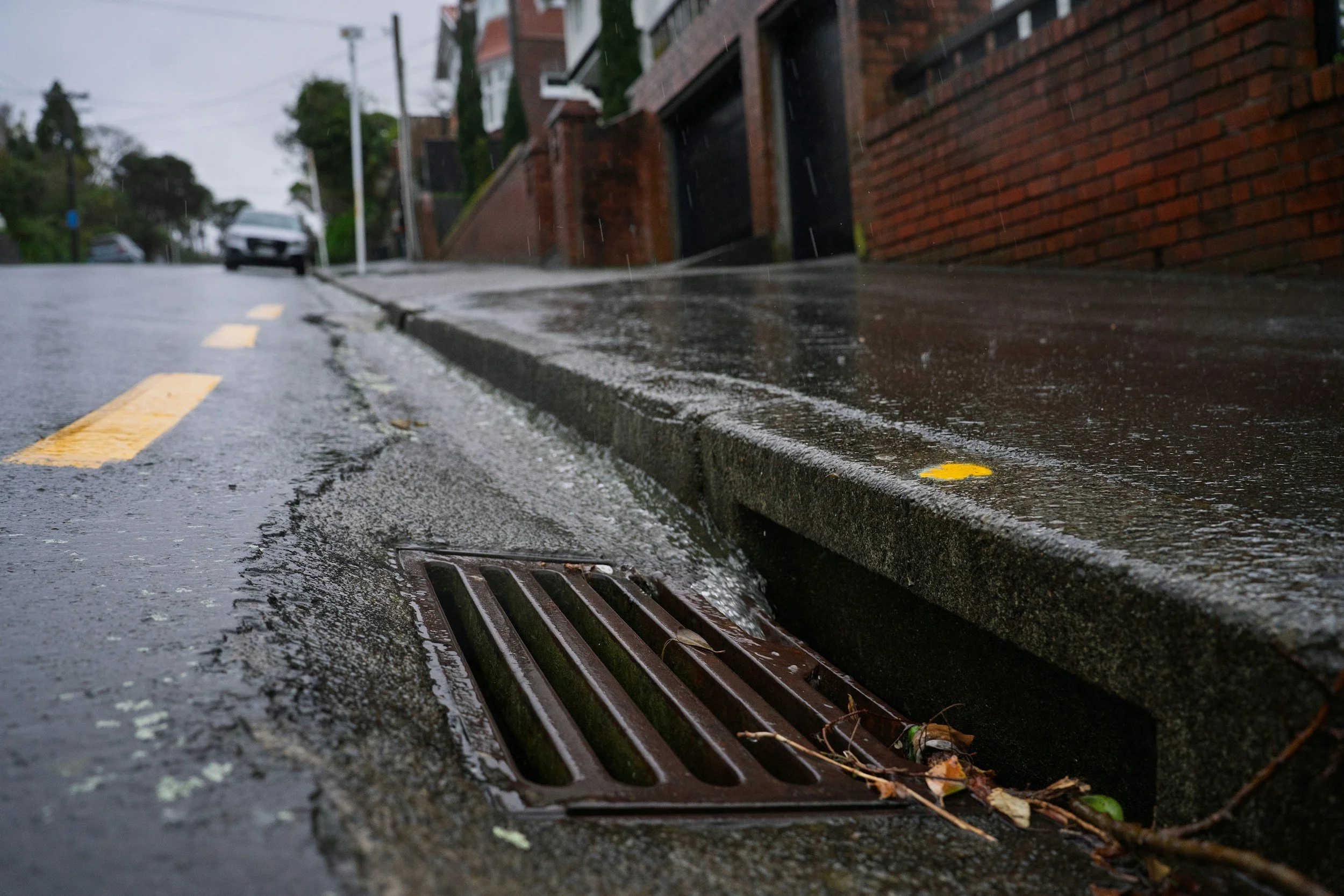
Storm Drain System: Drains outside of buildings are storm drains which lead directly into nearby waterways, untreated. Rain is the ONLY substance that should be entering storm drains.

Oil & Grease Management
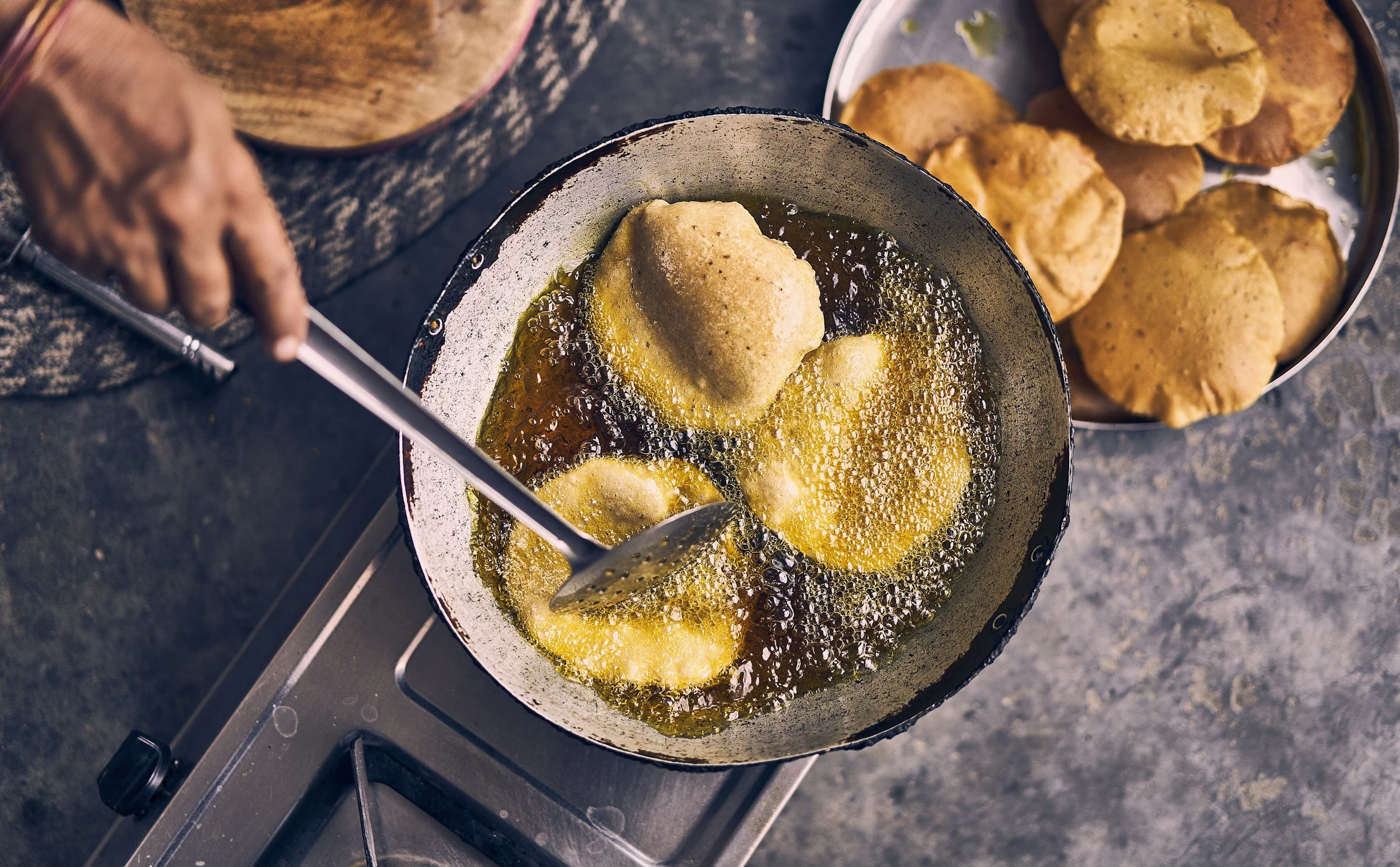
NEVER pour cooking oil, grease, or fats down the sink, floor drains, or storm drains.
Cooking oils clog pipes and often lead to expensive plumbing repairs.
If these substances flow into nearby waterways via storm drains, they cause extensive water pollution.
Use a cooking oil recycling or disposal service to routinely pick up and safely dispose of used oil and grease products.
Waste Disposal
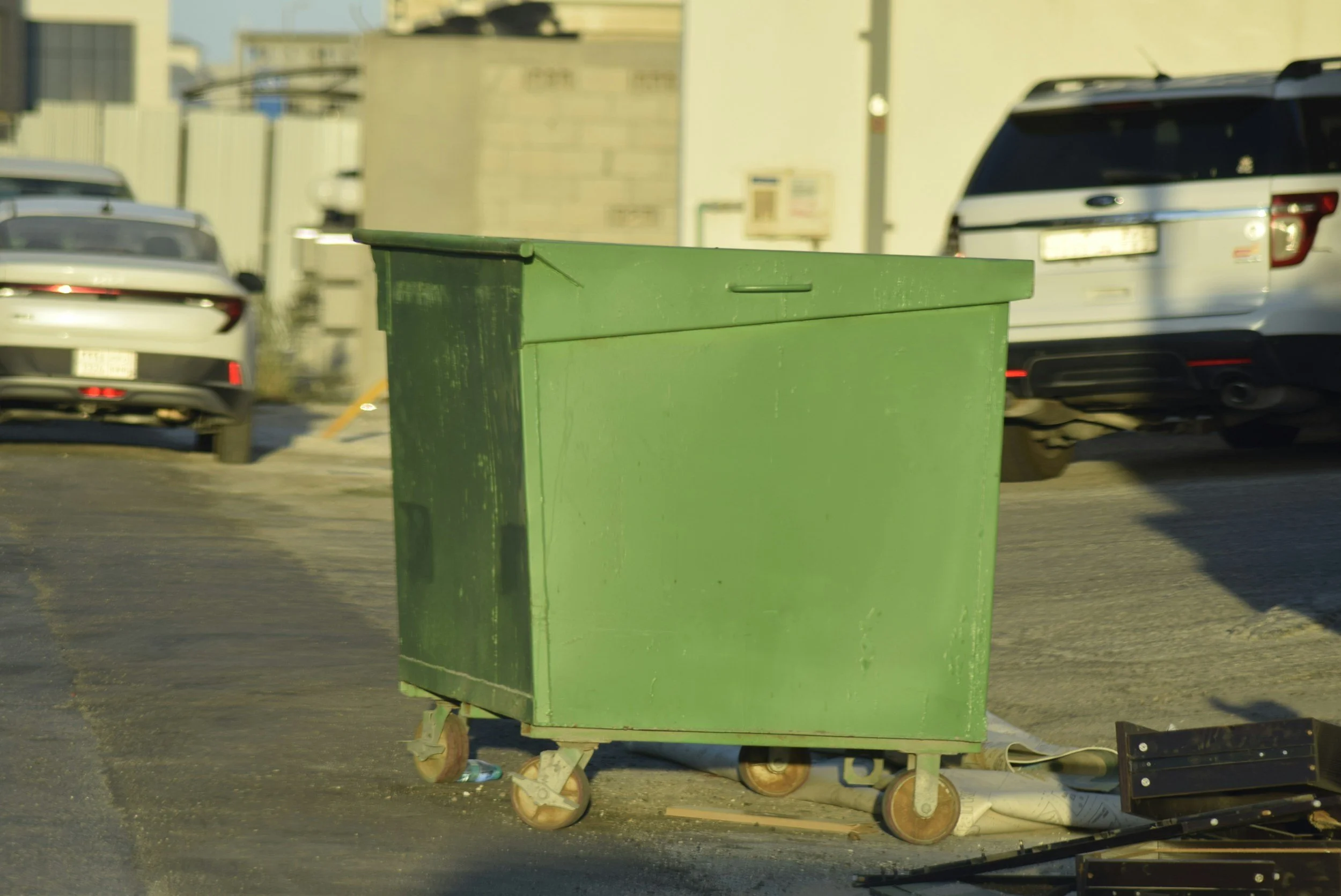
ALWAYS keep dumpster lids closed and inspect the dumpster area daily for leaks/overflows.
NEVER dump food waste, liquids, or other substances down storm drains. Only rain belongs down the drain!
DO NOT rinse or store waste bins near storm drains, culverts, or drainage ditches.
Compost food waste in covered containers or dispose of in trash cans with lids.
Housekeeping
Wash dishes and other equipment indoors, since these drains lead to the sanitary sewer system and the contents will be treated.
Inspect and maintain under-sink grease traps frequently (generally once a week, more often if large quantities of oils are used).
Train staff regularly on these stormwater friendly food service practices.
Spill Cleanup
Clean up all spills (food, oil, chemicals, or other materials) IMMEDIATELY using absorbent materials and/or a vacuum.
Keep a spill kit on hand and easily accessible, so you can clean up spills quickly before they spread.
NEVER allow spilled materials to flow near storm drains, ditches, and culverts.