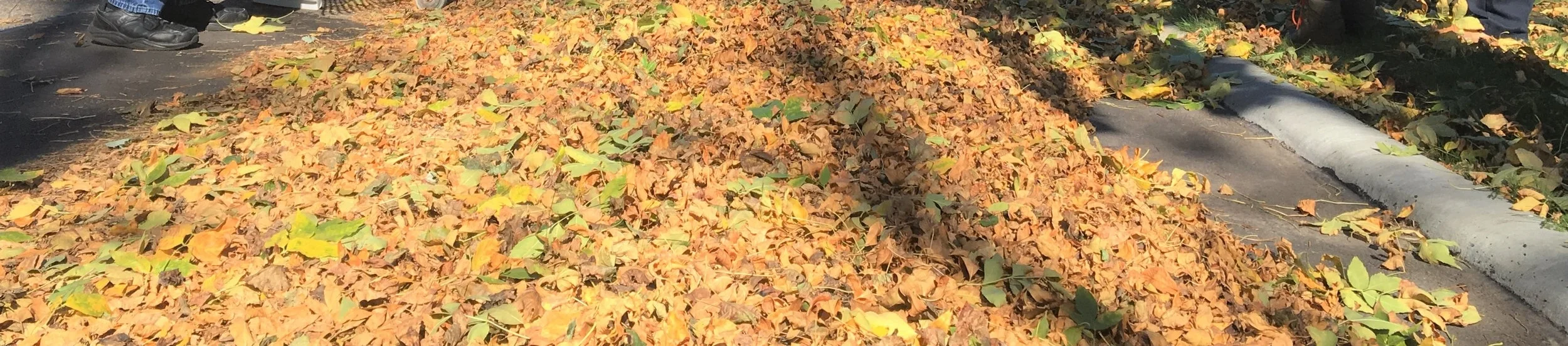
leaf it out of the water
How Can Fallen Leaves Be Bad for Water Quality?
Urban areas typically have a lot of impervious or “waterproof” surfaces that quickly and easily carry leaves (and their nutrients) into nearby water bodies.
Although leaves are naturally occurring and biodegradable, when not managed properly, they can cause serious harm to our waterways. Leaves are composed of nutrients including phosphorus, nitrogen, and potassium. These nutrients are an excellent fertilizer for your garden, but harmful to freshwater systems. During rain events, fallen leaves often accumulate on streets and storm drains. Rain percolating through these leaves washes into storm drains, forming (“leaf tea”), and can contribute as much as 50% of the annual phosphorus load from residential areas with high tree canopy [1]. Excessive nutrients in freshwater can result in harmful and unwanted algae growth, which reduces the amount of oxygen in the water and kills aquatic life.
Stop brewing phosphorus tea by keeping storm drains clear of any fallen leaves. Consider mulching or composting your leaves this fall, and take action by committing to keep a storm drain clean www.adoptyourdrain.com.

Storm drain covered in debris such as leaves, trash, dirt, and twigs.
Stormwater Friendly LEaf Management Tips
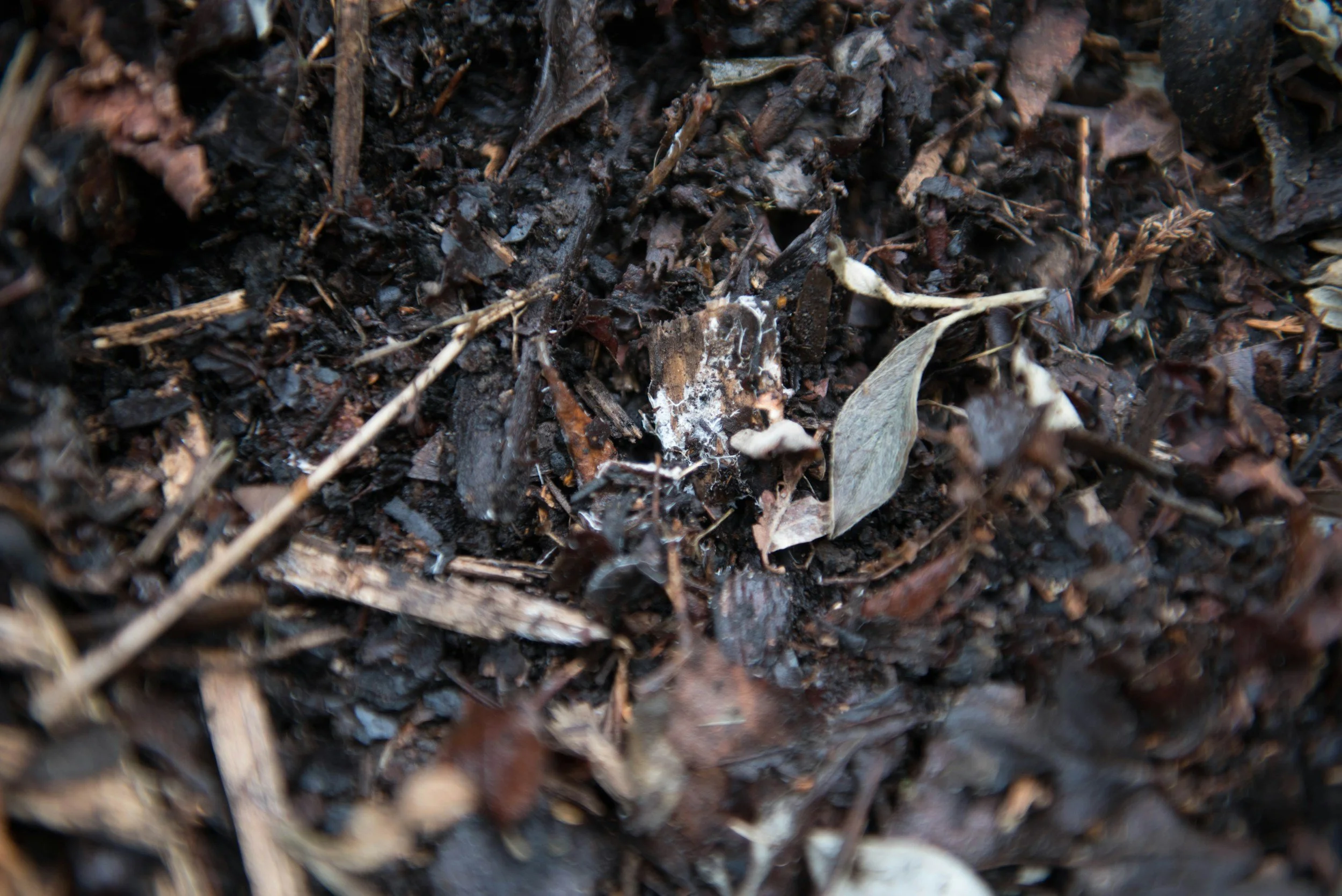
Mulching
Mulching leaves in place is the process of mowing the leaves in your yard into dime-sized pieces. As the leaves decompose, they will release natural fertilizer (nitrogen and phosphorus) which benefits your lawn.
You may need to make multiple passes with your mower so that the leaves are small enough to settle between the blades of grass.
Leaves are easily shredded with your average lawn mower, however you can purchase and attach mulching blades and/or plugs which are specific for the task. Be sure to raise your mower height as you begin mulching-in-place.
It is recommended to mulch-in-place about 1x per week for best results.
You can use a bag attachment to easily transport mulched leaves into your garden beds or compost bins, or you can use a mulch plug which leaves the mulched leaves on the lawn.
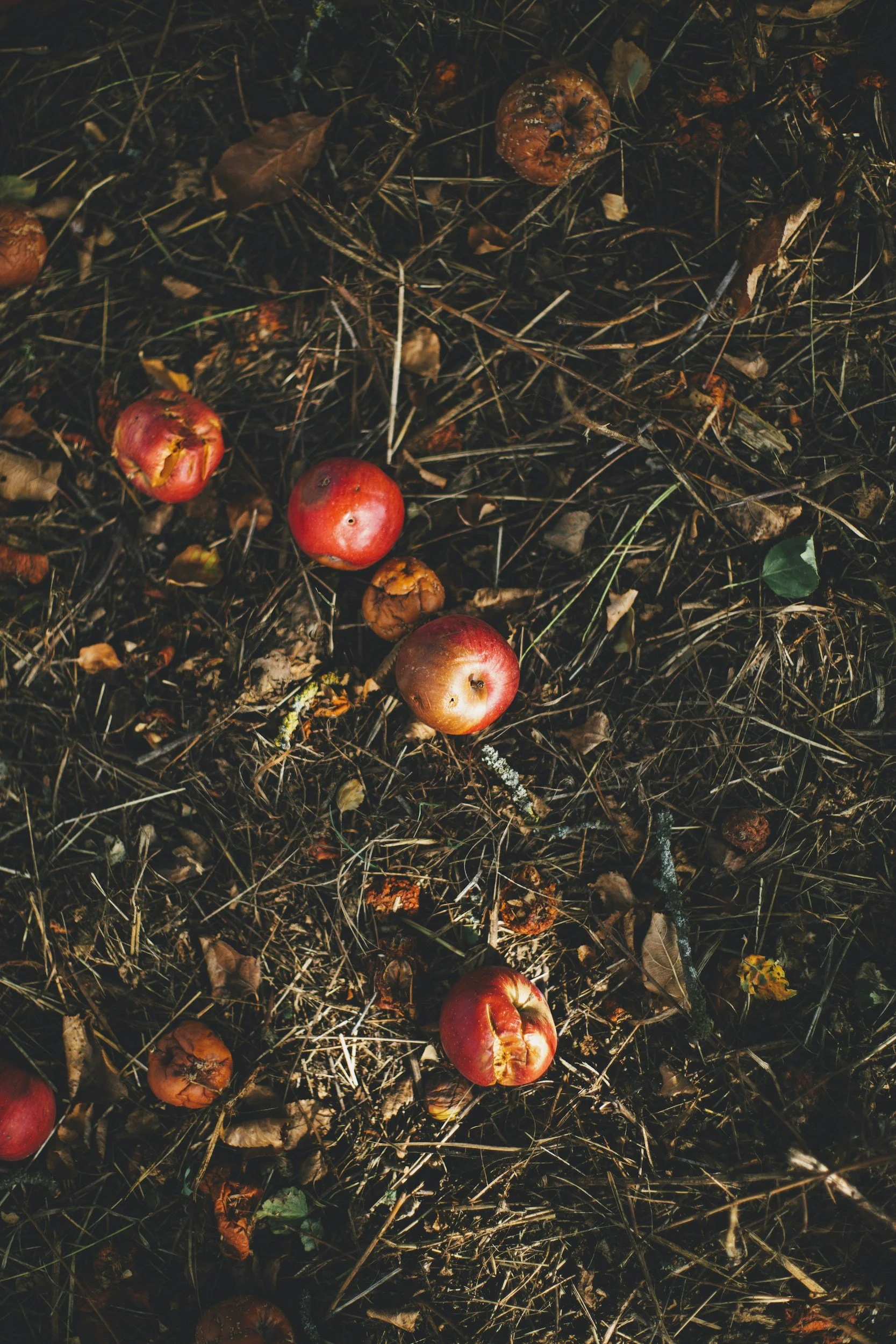
Composting
To compost your leaves, you can either gather and place them in a compost pile or mow over them using a bag attachment and spread the shredded leaves across your garden beds. Take advantage of the breakdown processes and capture excess nutrients for fertilizer use.
Whole or shredded leaves can be added to your regular compost bin with your kitchen scraps, providing beneficial nitrogen and phosphorus to use in your garden beds.
Create “leaf mold” by piling leaves together, watering, and occasionally mixing the pile. This can be done in the open or with a simple chicken wire enclosure.
Some species of leaves like black walnut contain a growth inhibitor. For these species, use a fast composting recipe. Learn more about composting here.
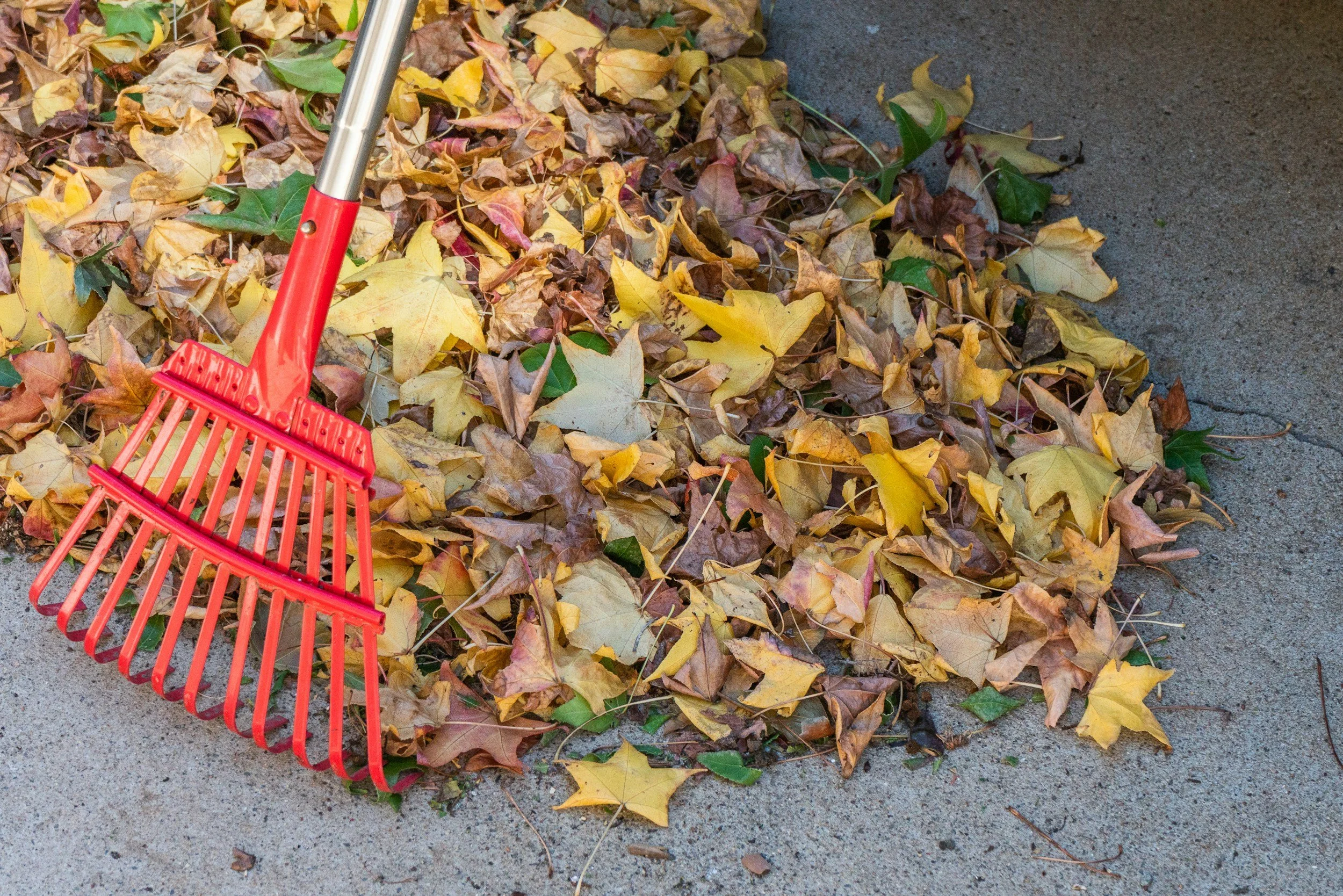
Collecting
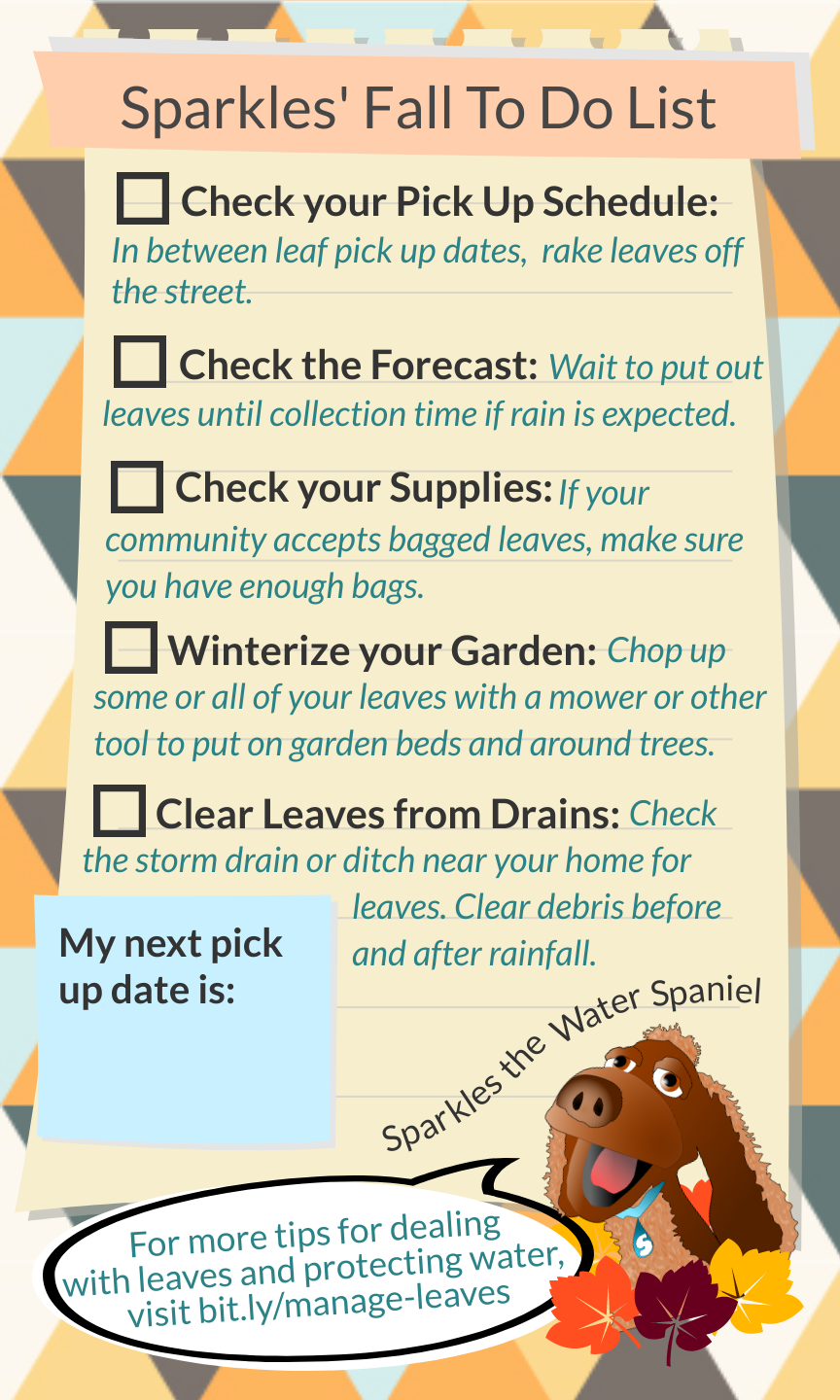
Bag up, pile, and contain leaves - Check your municipality’s website to determine where, when, and how to properly dispose of leaves, especially if offered curbside pile pickup. To prevent leaves from going down the storm drain, bag them shortly before collection time.
disposing
Municipalities may have different leaf disposal guidelines and services offered including leaf pick ups. Check your municipality’s website to determine pick up or drop off opportunities, and be stormwater smart by following these simple steps.

Instructional Videos
How to mulch your leaves
How to make leaf mold
Tips for mulching leaves
Ways to stop wasting fall leaves
Leave mulching benefits
Lawn mower mulch kit installation
Using fall leaves as compost
How to change your lawnmower blade
References:
Selbig, William. Science of Total Environment, Vol 571, November 15, 2016. P 124-133.
Wisconsin DNR